
 FAST SAME DAY & AFTER HOURS DELIVERY


Visit Our Showroom For Mobility Scooters, Lift Chairs & More
We Deliver to Your Area



I had a great experience with eCare Medical Supplies. James was my delivery specialist and went above and beyond to ensure everything went smoothly. He took extra time to make sure the rental equipment was installed properly and that I was fully trained and comfortable using it. He was extremely professional, patient, and knowledgeable.
When James returned to pick up the equipment, he was just as kind and courteous. He checked in to see how the equipment worked for me and made the entire process seamless from start to finish. Excellent customer service—thank you, James and the eCare team


The services and products from this company are outstanding - definitely five ⭐️. The delivery was on time and professional.
James was our representative and carefully explained the features of the wheelchair and its proper use. James is outstanding ⭐️⭐️⭐️⭐️⭐️ - we very much appreciate his concern and support.
We recommend E Care Medical Supply to anyone in need of excellent equipment and service at fair prices -
David & Donna


James and Aron were the best of the best!
Friendly, thorough, and very knowledgeable, I could not have asked for a better experience.
Of course, I hope to not need medical equipment rental again, but if I do, E Care will be my go to, and hope that delivery will be by James and Aron!
If only all businesses could be run in such an efficient and friendly manner.

The in store personnel were prepared to answer all our questions, and helped with our selection.
The delivery was actually earlier than expected with the delivery team of James and Aron. They were extremely professional and made sure everything was installed and working properly and then went over its operation.

T-Roy Broussard,
Port Arthur, Texas

I highly recommend them!


It’s rare to find someone who genuinely cares, but James went above and beyond. Thank you, E Care Medical Supplies, for making an important process feel easy and supported!


James, the person who delivered the chair, was very personable, professional and courteous. He was thorough in setting up the chair, making sure there was enough length on the power cord and made sure my husband and I understood how to use the chair so we could instruct my mother. He was a breath of fresh air.
Overall, I was very impressed with the service E Care provided from ordering to delivery.


Yvette was my primary contact. Both she and Kelsey answered any questions and concerns I had.
When I returned to pick up a chair I purchased, both James and Aron were very patient with me in explaining how to set up my chair at home.
Then they carefully wrapped my chair and helped me load it into my van.
I can't say enough good things about Yvette, Kelsey, James and Aron.
They are excellent representatives of E Care Medical Supplies.
I am a satisfied customer!




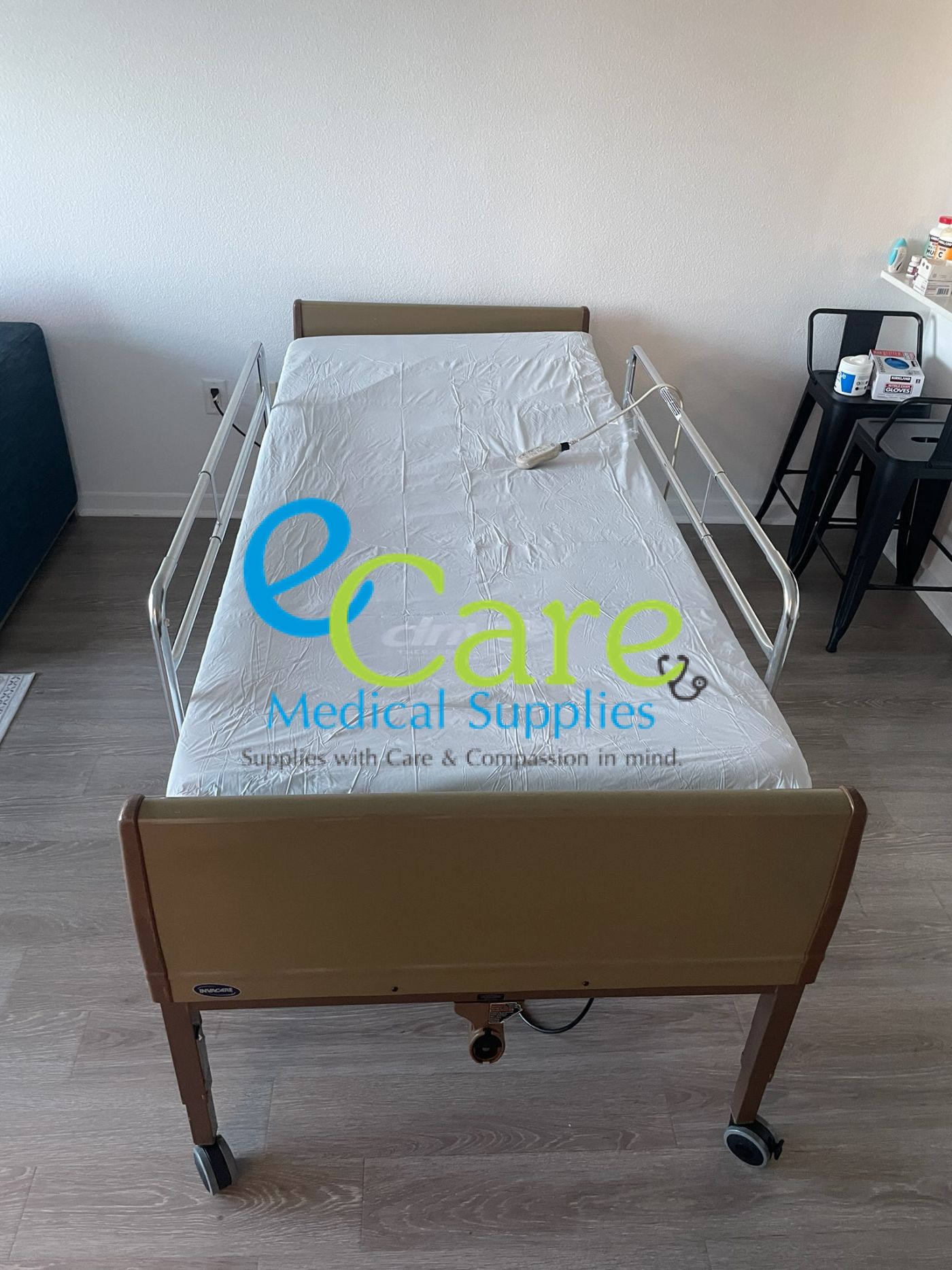
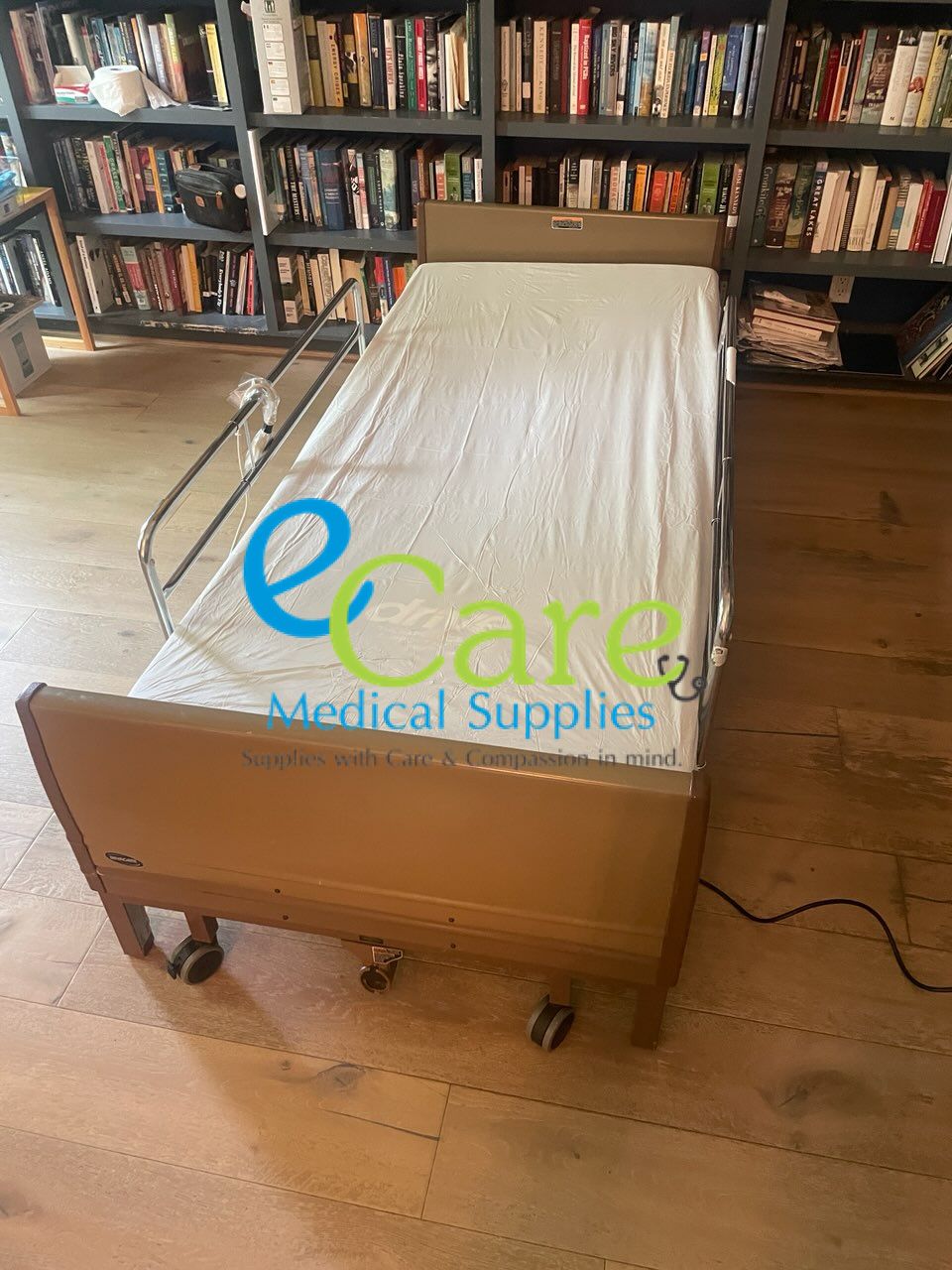

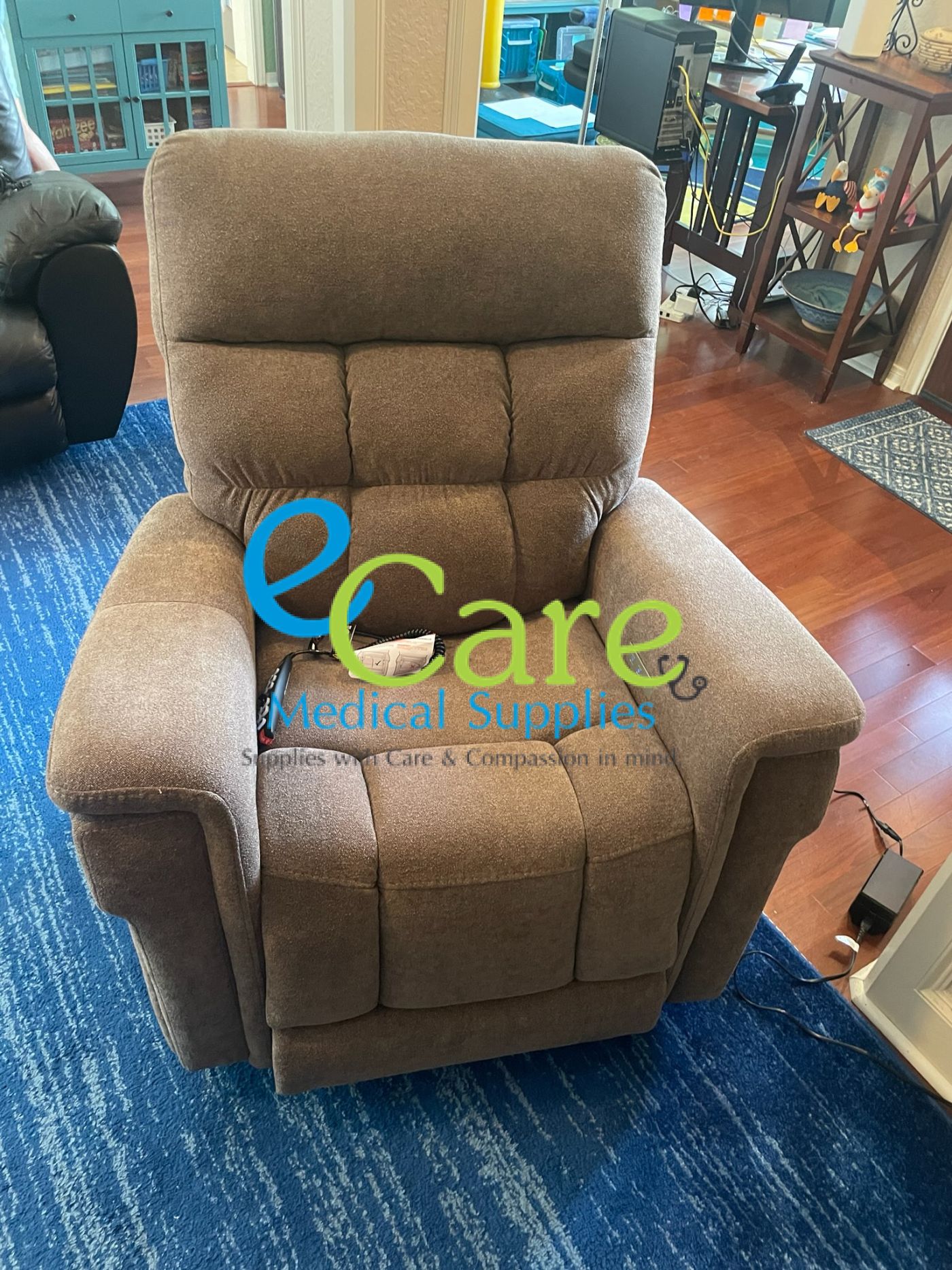








E Care's Blog Post - Alternating Pressure Mattresses: Preventing and Treating Bed Sores

When you or your loved one spends extended time in bed due to illness, surgery recovery, or limited mobility, preventing bed sores becomes a critical...
Alternating Pressure Mattresses: Preventing and Treating Bed Sores
April 16, 2026 - Hospital & Home Beds
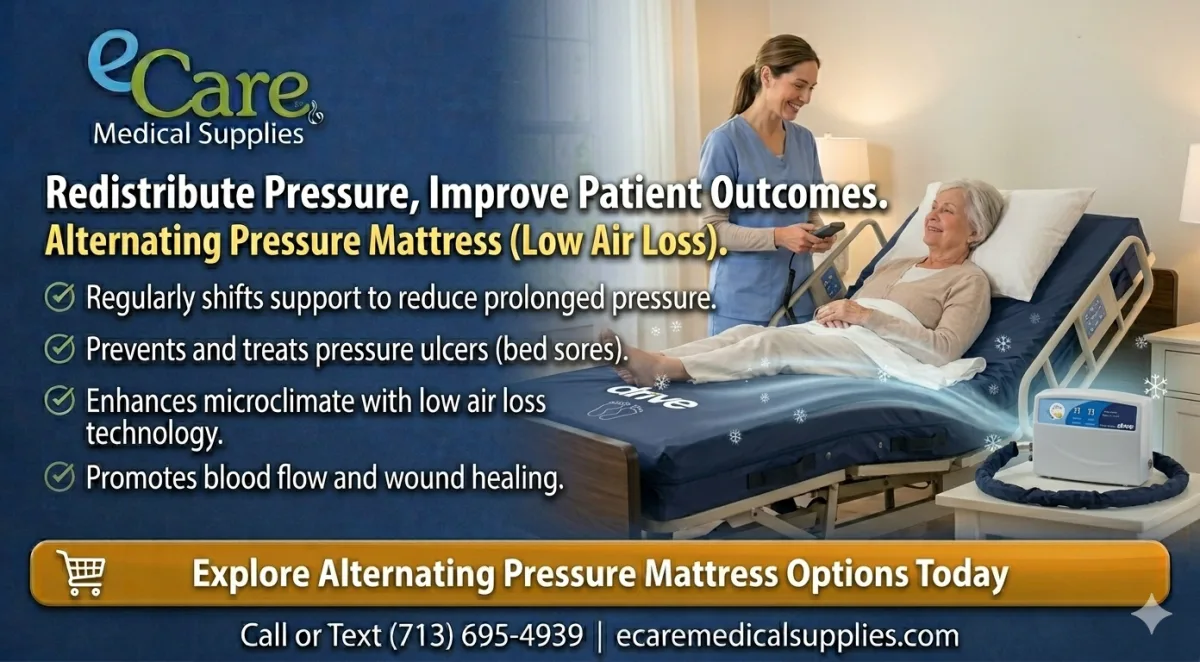
When you or your loved one spends extended time in bed due to illness, surgery recovery, or limited mobility, preventing bed sores becomes a critical concern. Alternating pressure mattresses offer one of the most effective solutions for both preventing and treating pressure ulcers, allowing patients to heal comfortably at home in Houston while reducing the risk of serious complications.
Understanding Pressure Ulcers and Why They Develop
Pressure ulcers, commonly called bed sores or pressure sores, develop when constant pressure restricts blood flow to skin and underlying tissue. This typically happens at bony prominences like the tailbone, heels, hips, and shoulder blades where body weight creates the most pressure against the mattress.
Several factors increase the risk of pressure ulcers:
- Prolonged bed rest or wheelchair use
- Limited ability to change positions independently
- Poor circulation or diabetes
- Malnutrition or dehydration
- Incontinence creating moisture and friction
- Advanced age with fragile skin
The key to prevention lies in relieving pressure regularly — something that becomes challenging when mobility is limited.
How Alternating Pressure Technology Works
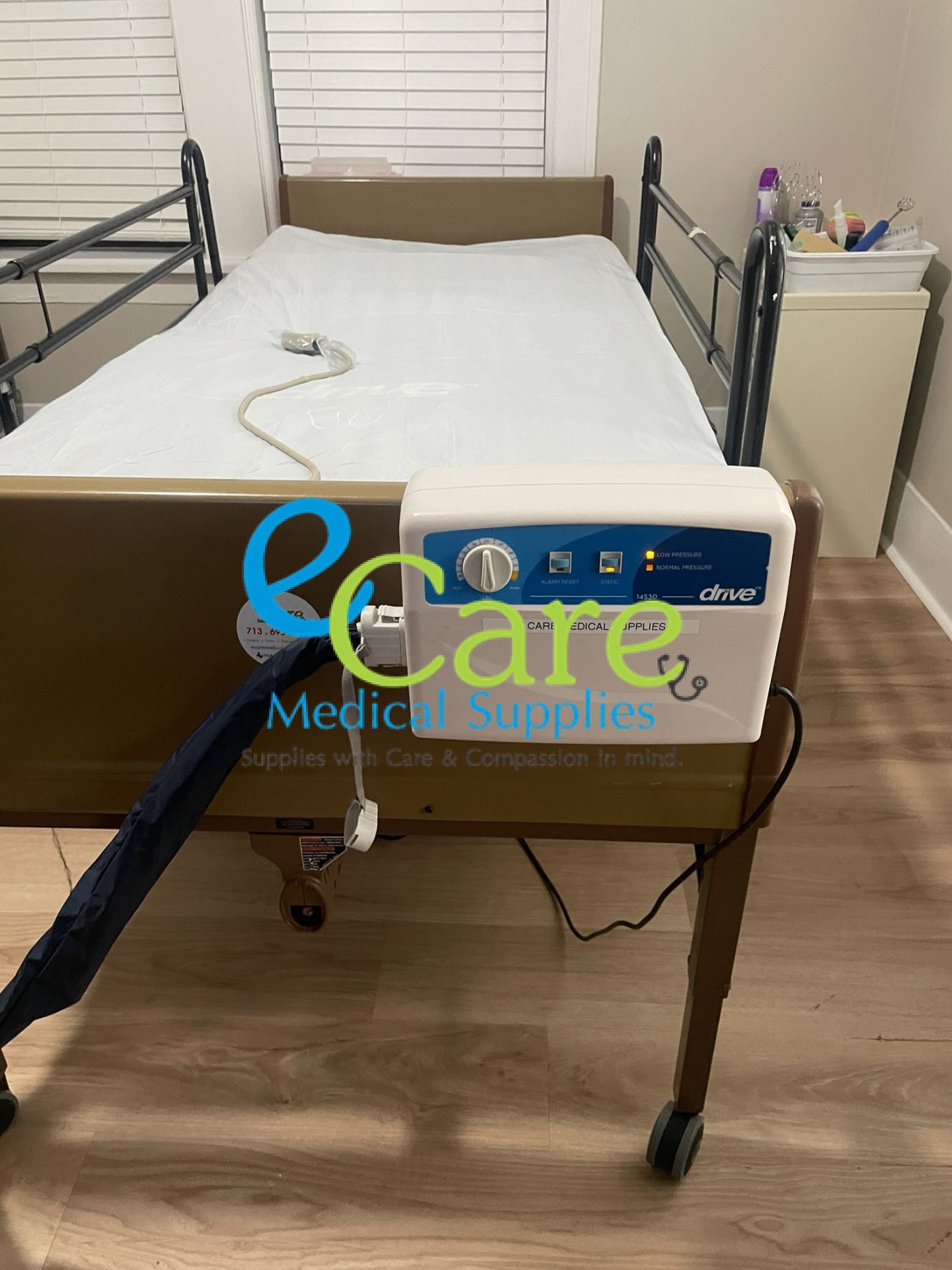
Alternating pressure mattresses use a system of air cells that inflate and deflate in cycles, typically every 6-10 minutes. This creates a wave-like motion that continuously shifts pressure points across the body, mimicking the natural movement that healthy individuals make while sleeping.
The technology works through several mechanisms:
Pressure redistribution: As air cells deflate, pressure is completely removed from that area of the body, allowing blood to flow freely and tissues to recover.
Enhanced circulation: The gentle massage-like action stimulates blood flow throughout the contact areas.
Moisture management: Many systems include low air loss features that help keep skin dry by circulating air through the mattress surface.
This information is educational and should complement, not replace, guidance from your healthcare provider about pressure ulcer prevention and treatment.
Benefits for Prevention and Treatment
For patients at risk of developing pressure ulcers, alternating pressure mattresses provide 24/7 protection without requiring constant repositioning by caregivers. This is especially valuable for families managing care at home who may not be able to reposition their loved one every two hours as traditionally recommended.
For existing pressure ulcers, these mattresses create an optimal healing environment by:
- Eliminating pressure on affected areas during deflation cycles
- Improving oxygen and nutrient delivery to damaged tissue
- Reducing friction and shear forces during movement
- Maintaining consistent pressure relief even during sleep
Studies show that alternating pressure systems can reduce healing time for existing wounds while preventing new ulcers from forming in other areas.
Types of Alternating Pressure Systems
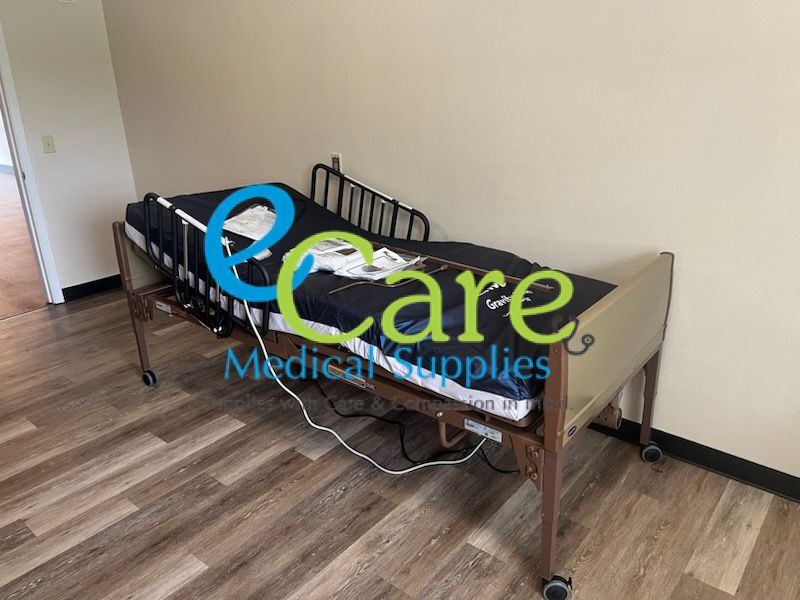
Mattress overlays: These systems place directly on top of existing mattresses and work well for patients who need pressure relief but don't require other hospital bed features.
Replacement mattresses: Full alternating pressure mattresses replace standard hospital bed mattresses and often include additional features like low air loss and adjustable firmness settings.
Bariatric systems: Designed for patients over 300 pounds, these heavy-duty systems provide enhanced weight distribution and stronger air cells.
The choice between systems depends on your loved one's specific needs, existing bed setup, and mobility level.
Practical Tips for Using Alternating Pressure Mattresses
To maximize effectiveness and ensure comfort:
Proper setup is crucial: Ensure the mattress is fully inflated before use and that all air connections are secure. Most systems require 20-30 minutes to reach optimal pressure.
Use appropriate bedding: Choose fitted sheets designed for hospital beds that won't restrict air flow or create wrinkles that could cause pressure points.
Monitor skin daily: Check pressure-prone areas each day for redness, warmth, or changes in skin integrity, even with pressure relief systems in place.
Maintain the equipment: Keep air filters clean and check tubing regularly for kinks or damage that could affect performance.
Consider backup power: If your loved one is at high risk, consider systems with battery backup or have a plan for power outages.
Coordinate with wound care: If treating existing ulcers, ensure your healthcare provider approves the specific alternating pressure settings for your situation.
Key Takeaways
- Alternating pressure mattresses provide continuous pressure relief by cycling air cells every 6-10 minutes, preventing and treating bed sores
- These systems work best as part of comprehensive pressure ulcer prevention that includes proper nutrition, skin care, and medical monitoring
- Both overlay and replacement mattress options are available depending on your existing bed setup and specific needs
- Proper setup and daily skin monitoring remain essential even with alternating pressure technology
- Early intervention with pressure relief systems can prevent minor skin irritation from progressing to serious wounds
Frequently Asked Questions
How long does it take to see results with an alternating pressure mattress?
For prevention, protection begins immediately once the system is operating properly. For treating existing pressure ulcers, improvement in wound healing typically becomes visible within 1-2 weeks, though complete healing time varies based on wound severity and overall health.
Can alternating pressure mattresses be used with regular hospital beds?
Yes, most alternating pressure systems are designed to work with standard hospital bed frames. Overlay systems work with existing mattresses, while replacement systems substitute for the original mattress entirely.
Are these mattresses noisy during operation?
Modern alternating pressure systems operate quietly, typically producing less noise than a standard air conditioner. Most patients and families find the gentle cycling sound unobtrusive during sleep.
Do I need a prescription to get an alternating pressure mattress?
While insurance may require a prescription for coverage, you don't need a prescription to purchase or rent these systems directly. Many families choose rental options for short-term recovery periods.
How often should alternating pressure mattresses be replaced or serviced?
With proper care, these systems can last several years. However, rental options are often more practical for temporary needs during recovery periods, as they include maintenance and support.
How E Care Medical Supplies Can Help
We provide alternating pressure mattresses and hospital bed systems with flexible rental terms and same-day delivery across Houston. Our team can help you choose the right pressure relief solution for your specific situation.
Shop Medical SuppliesRated 4.8 stars on Google · Houston, TX · No prescription required · Same-day & after-hours delivery · Hablamos español · (713) 695-4939
This article is for informational and educational purposes only and does not constitute medical advice. Always consult a qualified healthcare provider for personal medical decisions.
Tags: air mattress,bed sore,mattress,alternating pressure mattresses,pressure ulcers,bed sores,pressure relief,hospital beds,wound care,bedridden patients
← Back to Blogs