
 FAST SAME DAY & AFTER HOURS DELIVERY


Visit Our Showroom For Mobility Scooters, Lift Chairs & More
We Deliver to Your Area



I had a great experience with eCare Medical Supplies. James was my delivery specialist and went above and beyond to ensure everything went smoothly. He took extra time to make sure the rental equipment was installed properly and that I was fully trained and comfortable using it. He was extremely professional, patient, and knowledgeable.
When James returned to pick up the equipment, he was just as kind and courteous. He checked in to see how the equipment worked for me and made the entire process seamless from start to finish. Excellent customer service—thank you, James and the eCare team


The services and products from this company are outstanding - definitely five ⭐️. The delivery was on time and professional.
James was our representative and carefully explained the features of the wheelchair and its proper use. James is outstanding ⭐️⭐️⭐️⭐️⭐️ - we very much appreciate his concern and support.
We recommend E Care Medical Supply to anyone in need of excellent equipment and service at fair prices -
David & Donna


James and Aron were the best of the best!
Friendly, thorough, and very knowledgeable, I could not have asked for a better experience.
Of course, I hope to not need medical equipment rental again, but if I do, E Care will be my go to, and hope that delivery will be by James and Aron!
If only all businesses could be run in such an efficient and friendly manner.

The in store personnel were prepared to answer all our questions, and helped with our selection.
The delivery was actually earlier than expected with the delivery team of James and Aron. They were extremely professional and made sure everything was installed and working properly and then went over its operation.

T-Roy Broussard,
Port Arthur, Texas

I highly recommend them!


It’s rare to find someone who genuinely cares, but James went above and beyond. Thank you, E Care Medical Supplies, for making an important process feel easy and supported!


James, the person who delivered the chair, was very personable, professional and courteous. He was thorough in setting up the chair, making sure there was enough length on the power cord and made sure my husband and I understood how to use the chair so we could instruct my mother. He was a breath of fresh air.
Overall, I was very impressed with the service E Care provided from ordering to delivery.


Yvette was my primary contact. Both she and Kelsey answered any questions and concerns I had.
When I returned to pick up a chair I purchased, both James and Aron were very patient with me in explaining how to set up my chair at home.
Then they carefully wrapped my chair and helped me load it into my van.
I can't say enough good things about Yvette, Kelsey, James and Aron.
They are excellent representatives of E Care Medical Supplies.
I am a satisfied customer!


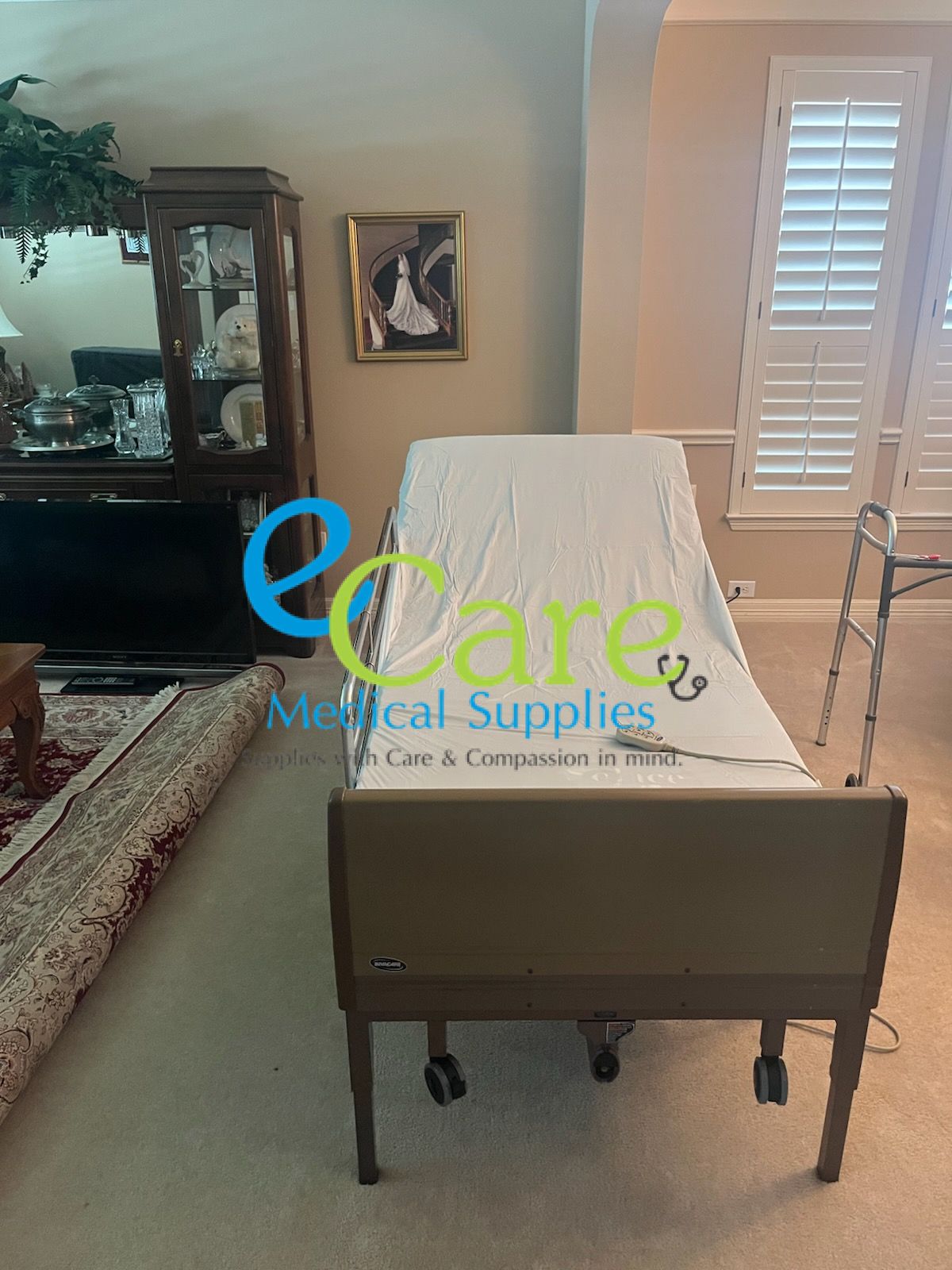
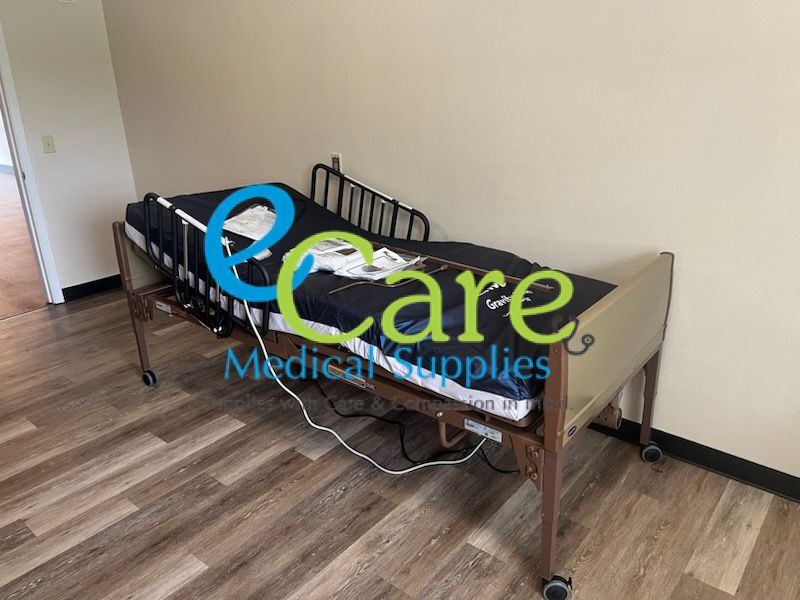

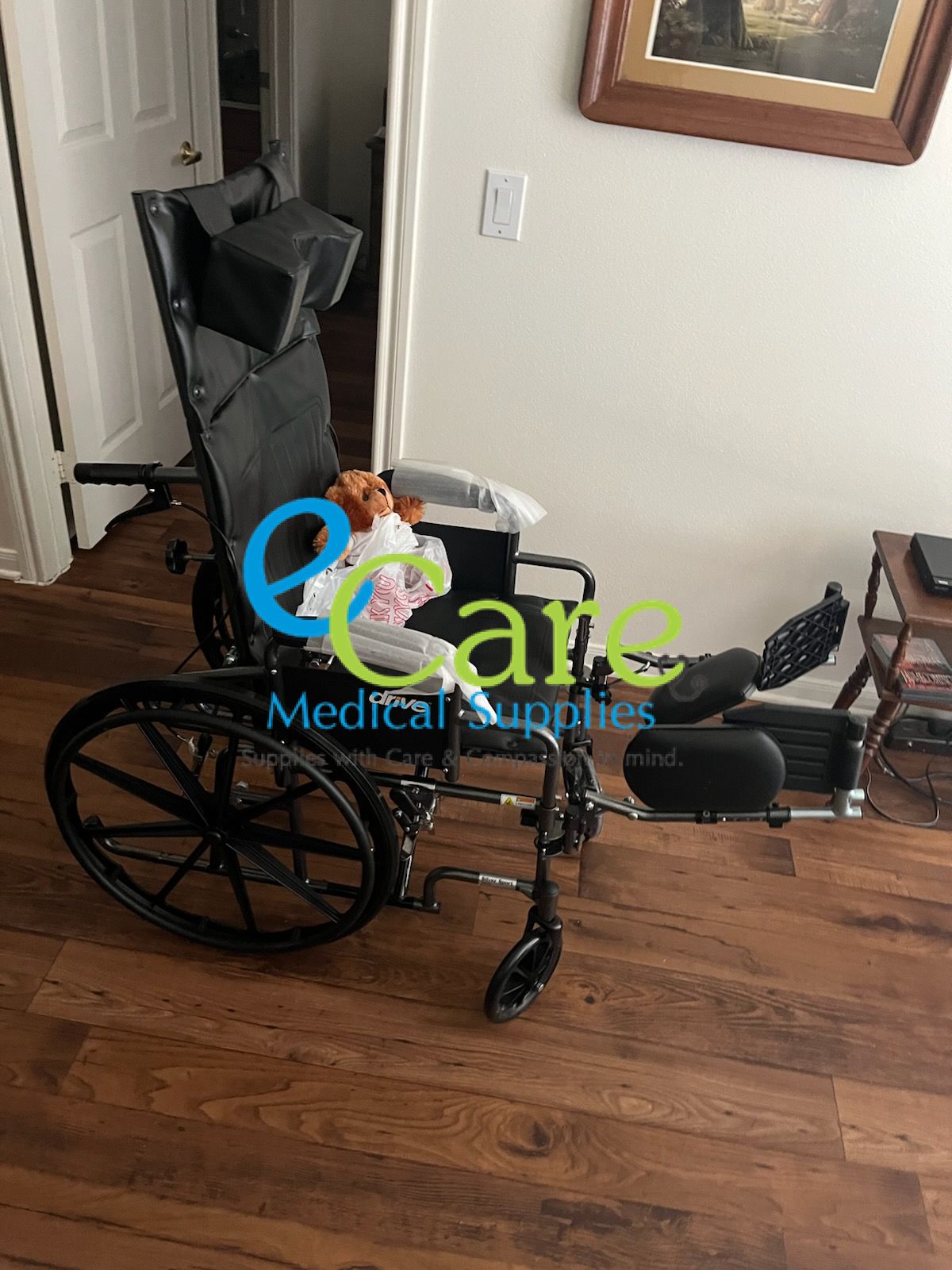

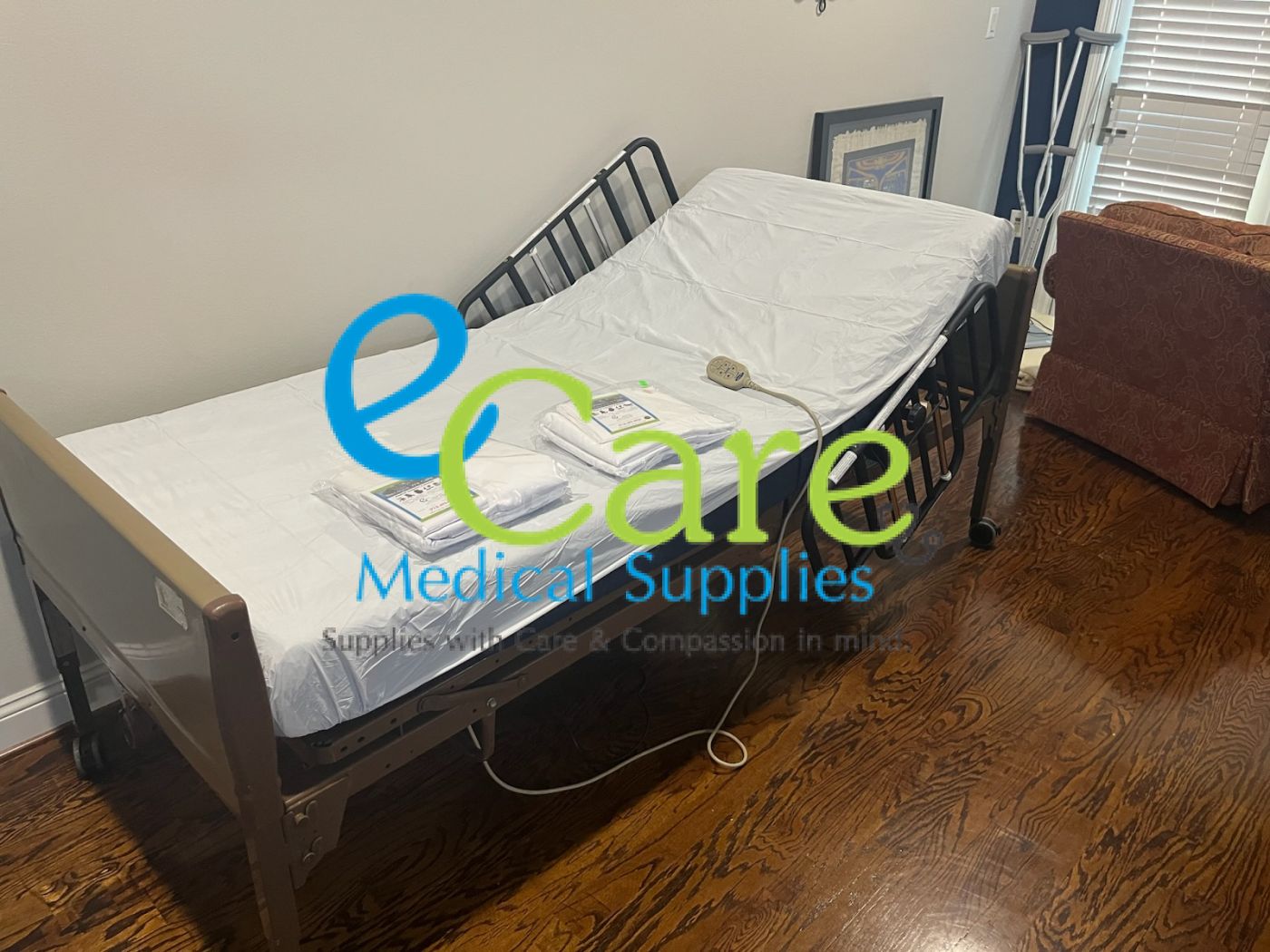









E Care's Blog Post - Can Activity Tracking and Rewards Help with Knee Osteoarthritis?

If you or a loved one is living with knee osteoarthritis, you've likely heard that staying active is crucial for managing the condition. But...
Can Activity Tracking and Rewards Help with Knee Osteoarthritis?
April 23, 2026 - Pain Management & Wound Care

If you or a loved one is living with knee osteoarthritis, you've likely heard that staying active is crucial for managing the condition. But let's be honest — when your knees hurt, the last thing you want to do is walk more. Recent research explored whether gamified incentives (think rewards and challenges) could motivate people with knee osteoarthritis to increase their physical activity.
What the Research Found About Activity Incentives
A study published in Arthritis & Rheumatology examined whether game-based behavioral incentive programs could help people with knee osteoarthritis walk more. The researchers wanted to see if adding rewards and challenges to activity tracking would not only increase walking but also improve knee pain and function.
The results were mixed but telling. While participants who received gamified incentives did increase their daily walking significantly compared to those without incentives, this increased activity didn't translate into meaningful improvements in knee pain or osteoarthritis symptoms. This finding highlights an important reality: exercise benefits for osteoarthritis often take time and may require more targeted approaches than simply walking more steps.
Why Exercise Matters for Knee Osteoarthritis
Despite the study's mixed results, exercise remains one of the most evidence-based treatments for knee osteoarthritis. Regular physical activity helps by:
- Strengthening the muscles around your knee joint
- Improving joint flexibility and range of motion
- Reducing stiffness and maintaining mobility
- Supporting overall joint health and function
- Helping with weight management, which reduces knee stress
The key is finding the right type and amount of activity for your specific situation. This educational information shouldn't replace personalized guidance from your healthcare provider, who can recommend the most appropriate exercise plan for your needs.
Making Activity Safer and More Comfortable at Home
While gamified incentives alone may not eliminate knee pain, there are practical ways to make physical activity safer and more comfortable at home in Houston:
Supportive Equipment: Knee braces, compression sleeves, and supportive footwear can provide stability during activity. These don't require a prescription and can make movement more comfortable.
Mobility Aids: Walking aids like canes or rollators can help you stay active while reducing stress on painful knees. Many people find that having the right mobility support actually increases their confidence to move more.
Home Safety: Grab bars, shower chairs, and other daily living aids can prevent falls and make it easier to maintain independence while managing knee osteoarthritis.
Practical Tips for Staying Active with Knee Osteoarthritis
Based on current evidence and expert recommendations, consider these strategies:
- Start gradually: Begin with short walks and slowly increase duration rather than intensity
- Choose low-impact activities: Swimming, cycling, or walking on even surfaces put less stress on knee joints
- Use supportive equipment: Proper footwear and knee supports can make activity more comfortable
- Listen to your body: Some discomfort is normal, but sharp pain means it's time to rest
- Stay consistent: Regular, moderate activity is more beneficial than occasional intense exercise
- Consider timing: Many people find morning activity easier when joints are less stiff
Key Takeaways
- Gamified incentives can successfully motivate increased walking in people with knee osteoarthritis
- However, increased walking alone may not immediately improve knee pain or symptoms
- Exercise remains a cornerstone treatment for osteoarthritis, but the right approach varies by individual
- Supportive equipment and mobility aids can make staying active safer and more comfortable
- Always consult your healthcare provider before starting new exercise programs or making significant activity changes
Frequently Asked Questions
Do I need a prescription for knee braces or compression sleeves?
Most knee supports, braces, and compression sleeves don't require a prescription. However, custom-fitted or specialized braces prescribed by your doctor may offer additional benefits for severe osteoarthritis.
How do I know if I need a mobility aid like a cane or walker?
Consider a mobility aid if you experience frequent knee pain while walking, feel unsteady, or avoid activities due to knee discomfort. A physical therapist can help determine what type of aid might be most helpful.
Can I rent mobility equipment to try it before buying?
Yes, many medical supply stores offer rental options for wheelchairs, walkers, and other mobility aids. This allows you to try different options and determine what works best for your needs.
What's the difference between a knee brace and compression sleeve?
Compression sleeves provide gentle support and warmth, while knee braces offer more structured support and stability. The choice depends on your activity level and the severity of your symptoms.
How E Care Medical Supplies Can Help
We carry a full range of knee supports, mobility aids, and daily living equipment to help you stay active and independent while managing osteoarthritis. From compression sleeves to walking aids, our knowledgeable staff can help you find the right supportive equipment for your needs.
Shop Medical SuppliesECARE_TRUST_PLACEHOLDER
This article is for informational and educational purposes only and does not constitute medical advice. Always consult a qualified healthcare provider for personal medical decisions.
Tags: knee osteoarthritis,physical activity,walking,pain management,mobility,exercise therapy,arthritis support
← Back to Blogs