
 FAST SAME DAY & AFTER HOURS DELIVERY


Visit Our Showroom For Mobility Scooters, Lift Chairs & More
We Deliver to Your Area



I had a great experience with eCare Medical Supplies. James was my delivery specialist and went above and beyond to ensure everything went smoothly. He took extra time to make sure the rental equipment was installed properly and that I was fully trained and comfortable using it. He was extremely professional, patient, and knowledgeable.
When James returned to pick up the equipment, he was just as kind and courteous. He checked in to see how the equipment worked for me and made the entire process seamless from start to finish. Excellent customer service—thank you, James and the eCare team


The services and products from this company are outstanding - definitely five ⭐️. The delivery was on time and professional.
James was our representative and carefully explained the features of the wheelchair and its proper use. James is outstanding ⭐️⭐️⭐️⭐️⭐️ - we very much appreciate his concern and support.
We recommend E Care Medical Supply to anyone in need of excellent equipment and service at fair prices -
David & Donna


James and Aron were the best of the best!
Friendly, thorough, and very knowledgeable, I could not have asked for a better experience.
Of course, I hope to not need medical equipment rental again, but if I do, E Care will be my go to, and hope that delivery will be by James and Aron!
If only all businesses could be run in such an efficient and friendly manner.

The in store personnel were prepared to answer all our questions, and helped with our selection.
The delivery was actually earlier than expected with the delivery team of James and Aron. They were extremely professional and made sure everything was installed and working properly and then went over its operation.

T-Roy Broussard,
Port Arthur, Texas

I highly recommend them!


It’s rare to find someone who genuinely cares, but James went above and beyond. Thank you, E Care Medical Supplies, for making an important process feel easy and supported!


James, the person who delivered the chair, was very personable, professional and courteous. He was thorough in setting up the chair, making sure there was enough length on the power cord and made sure my husband and I understood how to use the chair so we could instruct my mother. He was a breath of fresh air.
Overall, I was very impressed with the service E Care provided from ordering to delivery.


Yvette was my primary contact. Both she and Kelsey answered any questions and concerns I had.
When I returned to pick up a chair I purchased, both James and Aron were very patient with me in explaining how to set up my chair at home.
Then they carefully wrapped my chair and helped me load it into my van.
I can't say enough good things about Yvette, Kelsey, James and Aron.
They are excellent representatives of E Care Medical Supplies.
I am a satisfied customer!


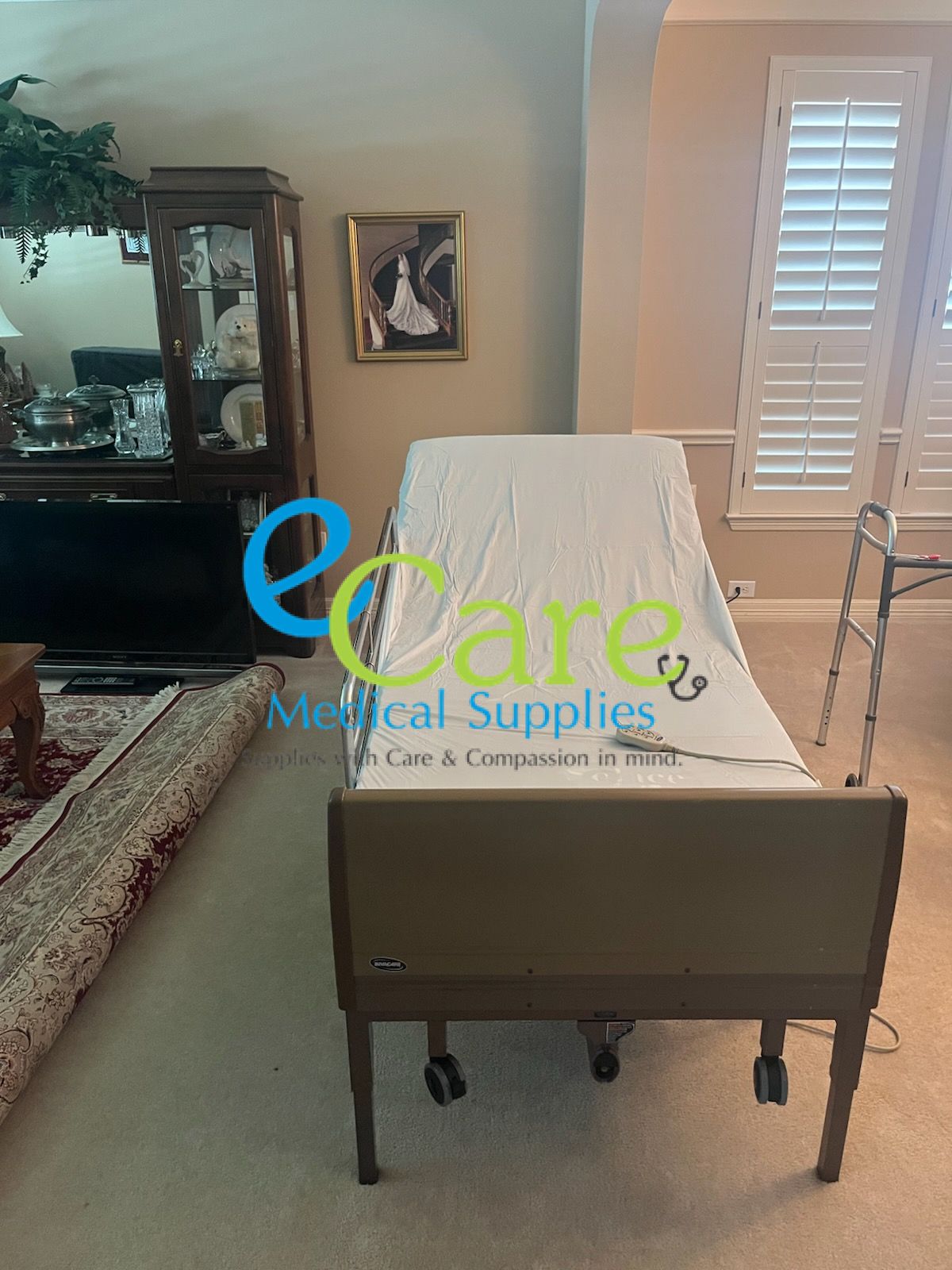
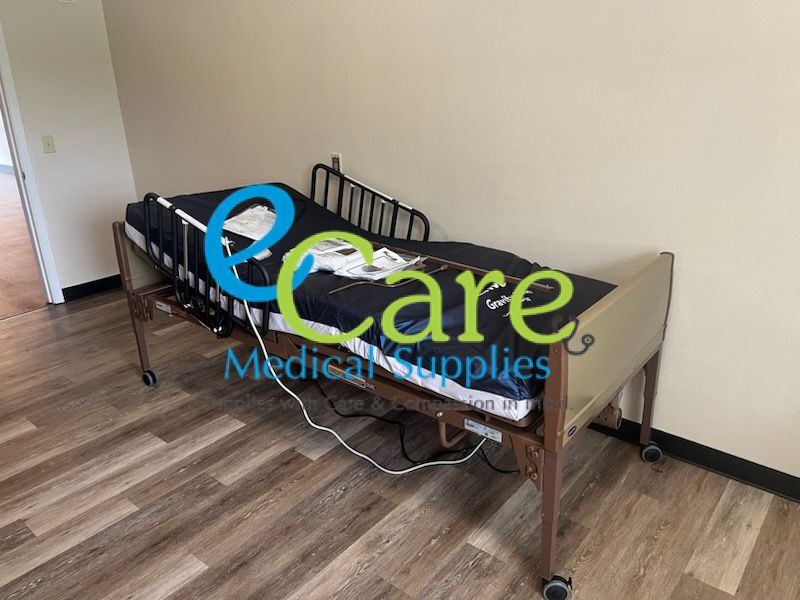

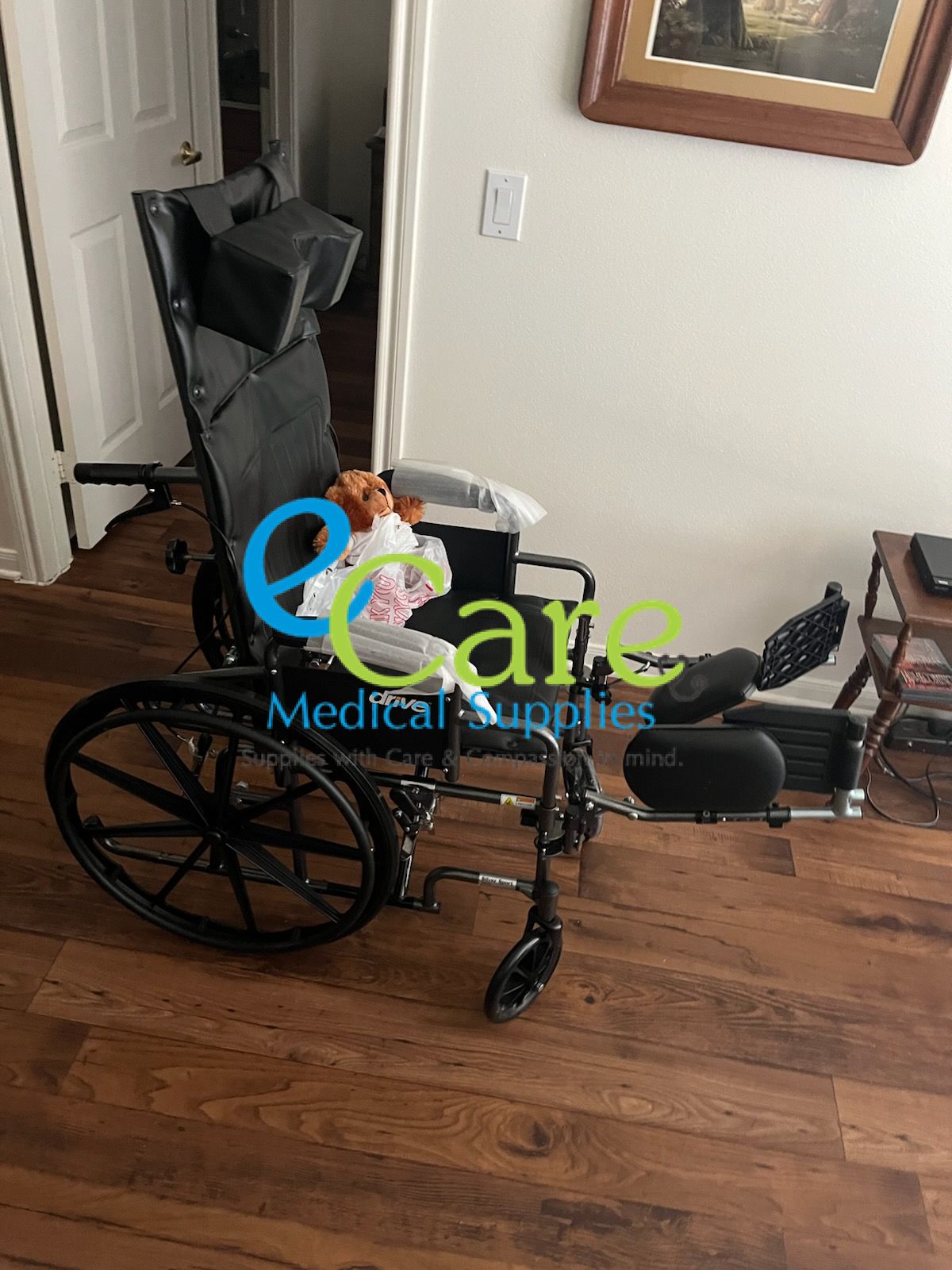

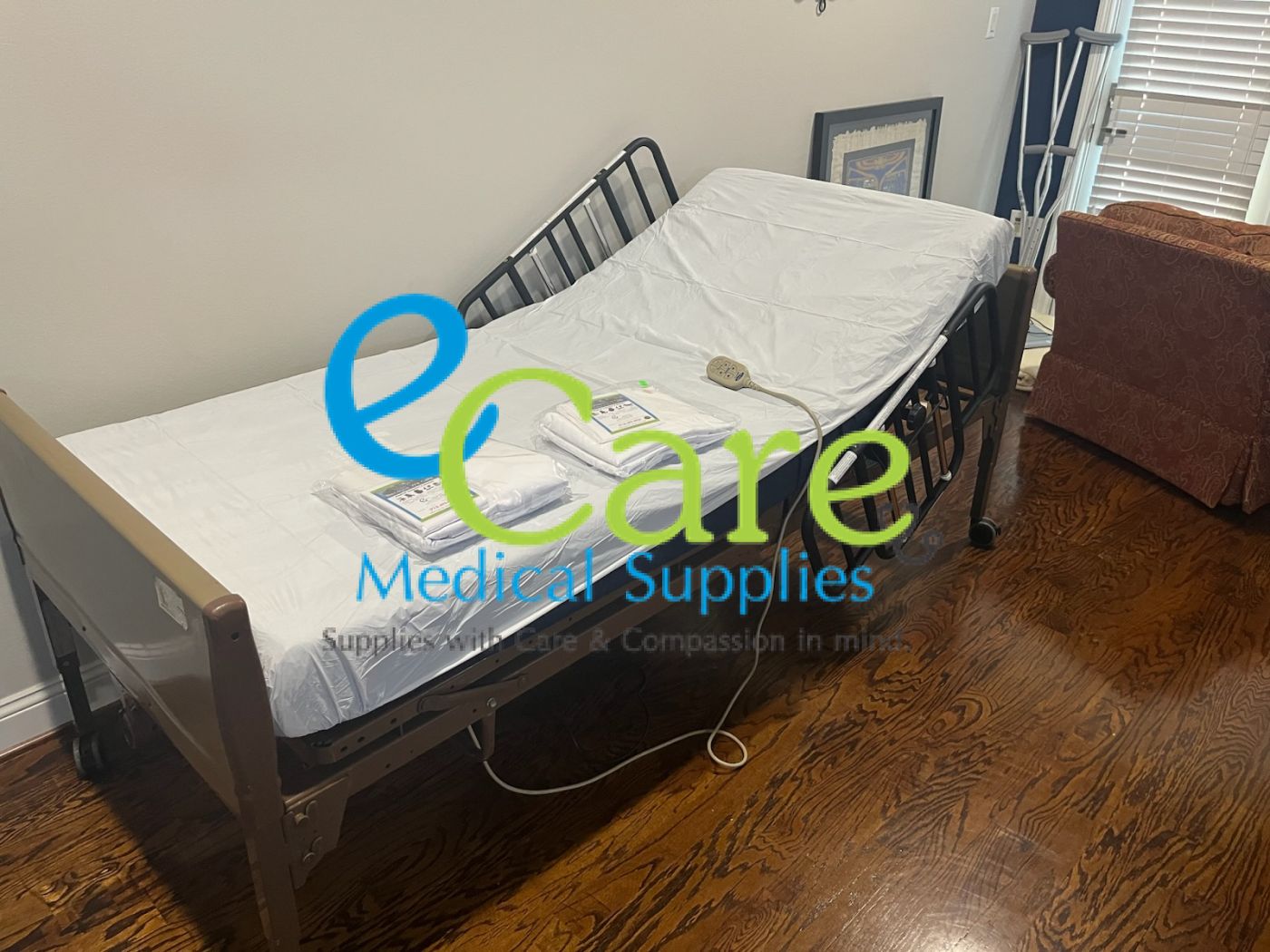









E Care's Blog Post - Understanding Hip Replacement Implant Types: Recovery at Home

If you or a loved one recently underwent total hip arthroplasty (hip replacement surgery), you may have heard your surgeon mention different implant...
Understanding Hip Replacement Implant Types: Recovery at Home
April 12, 2026 - Recovery & Rehabilitation

If you or a loved one recently underwent total hip arthroplasty (hip replacement surgery), you may have heard your surgeon mention different implant types and their benefits. Recent research suggests that certain implant designs, particularly triple-tapered collared stems, may reduce the risk of complications like periprosthetic fractures—especially in patients over 70. Understanding your implant type and focusing on proper recovery can help ensure the best possible outcome.
What Are Periprosthetic Fractures?
Periprosthetic fractures are breaks in the bone around a hip implant. These complications can occur months or years after surgery and may require additional procedures to repair. While relatively uncommon, they're more likely in older patients due to factors like bone density and healing capacity.
The type of implant used during your surgery—whether cemented, uncemented, or a specific stem design—can influence your long-term fracture risk. However, your recovery approach and adherence to post-surgical guidelines play equally important roles in preventing complications.
Key Recovery Factors After Hip Replacement
Weight-Bearing Restrictions: Your surgeon will provide specific guidelines about how much weight you can put on your new hip. Some patients may be toe-touch weight bearing, while others can bear full weight immediately. Following these restrictions precisely helps ensure proper healing around your implant.
Mobility Equipment: Most patients need assistive devices during early recovery. Walkers provide maximum stability, while rollators with seats allow for rest breaks during longer walks. As healing progresses, many transition to canes or walking sticks.
Fall Prevention: Falls pose serious risks to new hip implants. Installing grab bars, using shower chairs, and removing tripping hazards at home are essential safety measures during recovery in Houston or anywhere else.
Essential Equipment for Hip Replacement Recovery
Your discharge planning team likely provided a list of recommended equipment. Here's what most patients need:
- Mobility aids: Walker, rollator, or crutches as prescribed
- Bathroom safety: Raised toilet seat, shower chair, grab bars
- Reaching tools: Long-handled shoe horn, sock aid, reacher/grabber
- Seating: Firm cushions to maintain proper hip height
- Ice therapy: Cold packs for swelling management
Remember, this information is educational and should supplement, not replace, your surgeon's specific instructions and follow-up care.
Warning Signs to Watch For
Contact your healthcare provider immediately if you experience:
- Sudden, severe pain in your hip or thigh
- Inability to bear weight as previously tolerated
- Signs of infection (fever, unusual drainage, increasing redness)
- Feeling that your hip is unstable or "giving way"
- Significant changes in leg length or positioning
While modern implant designs like triple-tapered collared stems show promising results for reducing complications, your active participation in recovery remains the most important factor in achieving excellent long-term outcomes.
Key Takeaways
- Recent research suggests certain implant designs may reduce fracture risk, especially in older patients
- Proper use of mobility equipment and fall prevention are crucial regardless of implant type
- Following weight-bearing restrictions precisely supports optimal healing
- Having the right recovery equipment at home before discharge improves safety and outcomes
- Contact your healthcare provider immediately if you notice any concerning symptoms
Frequently Asked Questions
How long will I need a walker after hip replacement?
Most patients use a walker for 2-6 weeks, depending on their healing progress and surgeon's recommendations. Your physical therapist will guide the transition to less supportive devices like rollators or canes.
Can I rent mobility equipment instead of buying it?
Yes, many patients choose to rent equipment since recovery needs change over time. Rental options are available for walkers, rollators, shower chairs, and other recovery aids with flexible daily, weekly, or monthly terms.
What if I need equipment delivered after hours?
Some medical supply providers offer same-day and after-hours delivery services, which can be especially helpful if you discover you need additional equipment during your recovery at home.
Do I need a prescription for recovery equipment?
Most mobility aids and daily living equipment don't require a prescription, though some insurance plans may need documentation from your healthcare provider for coverage.
How E Care Medical Supplies Can Help
Whether you need mobility equipment for hip replacement recovery or want to rent items short-term, E Care offers flexible rental options and same-day delivery across Houston to support your healing at home.
Shop Medical SuppliesRated 4.8 stars on Google · Houston, TX · No prescription required · Same-day & after-hours delivery · Hablamos español · (713) 695-4939
This article is for informational and educational purposes only and does not constitute medical advice. Always consult a qualified healthcare provider for personal medical decisions.
Tags: hip replacement,total hip arthroplasty,periprosthetic fracture,recovery,implant types,post-surgery
← Back to Blogs