 FAST SAME DAY & AFTER HOURS DELIVERY


Visit Our Showroom For Mobility Scooters, Lift Chairs & More
We Deliver to Your Area



I had a great experience with eCare Medical Supplies. James was my delivery specialist and went above and beyond to ensure everything went smoothly. He took extra time to make sure the rental equipment was installed properly and that I was fully trained and comfortable using it. He was extremely professional, patient, and knowledgeable.
When James returned to pick up the equipment, he was just as kind and courteous. He checked in to see how the equipment worked for me and made the entire process seamless from start to finish. Excellent customer service—thank you, James and the eCare team


The services and products from this company are outstanding - definitely five ⭐️. The delivery was on time and professional.
James was our representative and carefully explained the features of the wheelchair and its proper use. James is outstanding ⭐️⭐️⭐️⭐️⭐️ - we very much appreciate his concern and support.
We recommend E Care Medical Supply to anyone in need of excellent equipment and service at fair prices -
David & Donna


James and Aron were the best of the best!
Friendly, thorough, and very knowledgeable, I could not have asked for a better experience.
Of course, I hope to not need medical equipment rental again, but if I do, E Care will be my go to, and hope that delivery will be by James and Aron!
If only all businesses could be run in such an efficient and friendly manner.

The in store personnel were prepared to answer all our questions, and helped with our selection.
The delivery was actually earlier than expected with the delivery team of James and Aron. They were extremely professional and made sure everything was installed and working properly and then went over its operation.

T-Roy Broussard,
Port Arthur, Texas

I highly recommend them!


It’s rare to find someone who genuinely cares, but James went above and beyond. Thank you, E Care Medical Supplies, for making an important process feel easy and supported!


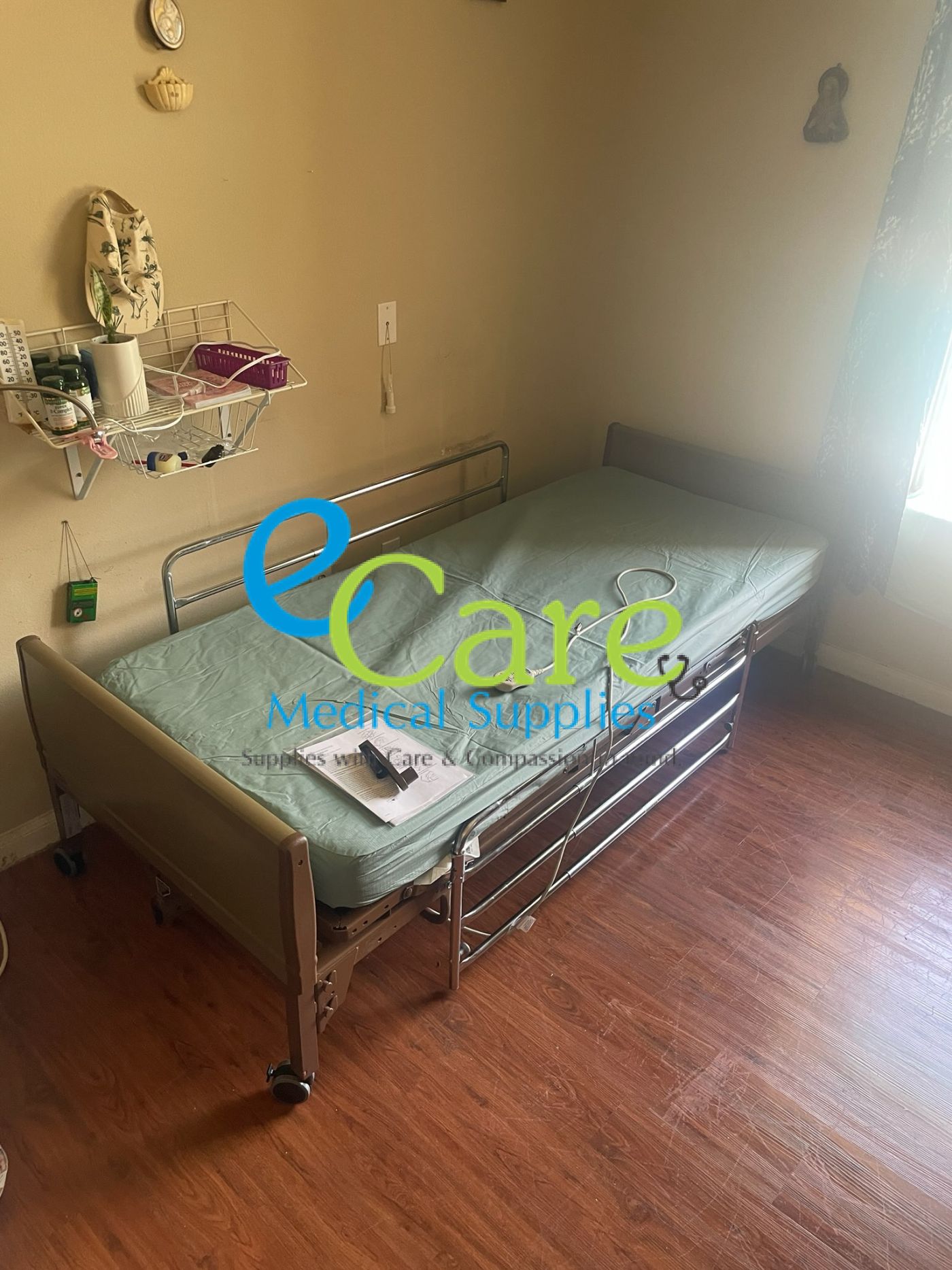
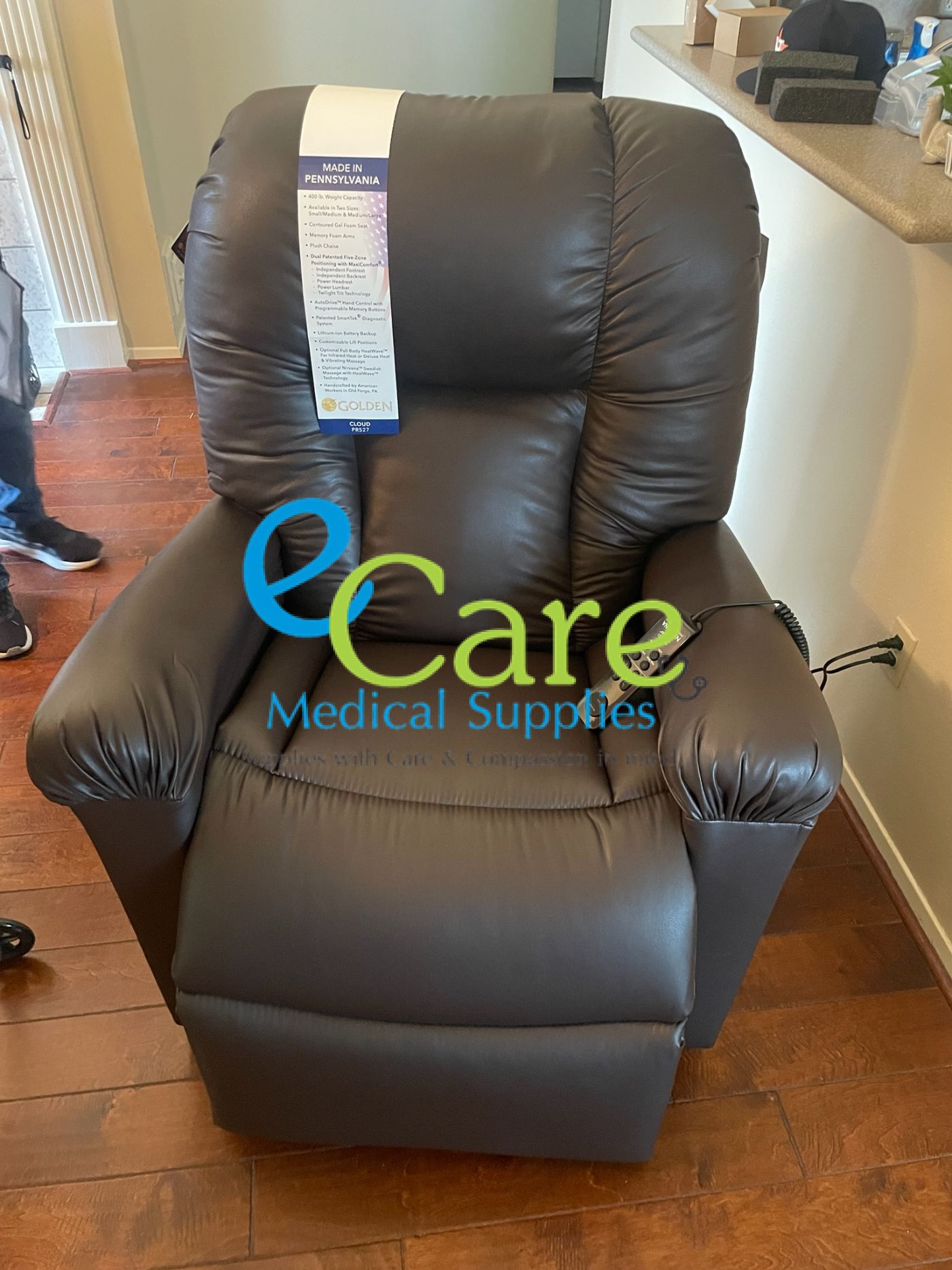
James, the person who delivered the chair, was very personable, professional and courteous. He was thorough in setting up the chair, making sure there was enough length on the power cord and made sure my husband and I understood how to use the chair so we could instruct my mother. He was a breath of fresh air.
Overall, I was very impressed with the service E Care provided from ordering to delivery.


Yvette was my primary contact. Both she and Kelsey answered any questions and concerns I had.
When I returned to pick up a chair I purchased, both James and Aron were very patient with me in explaining how to set up my chair at home.
Then they carefully wrapped my chair and helped me load it into my van.
I can't say enough good things about Yvette, Kelsey, James and Aron.
They are excellent representatives of E Care Medical Supplies.
I am a satisfied customer!










E Care's Blog Post - Post-Surgery Swelling Relief: Cold Therapy for Faster Recovery

Post-surgery swelling and pain can make your recovery feel overwhelming, especially during those first critical days at home. While some discomfort is...
Post-Surgery Swelling Relief: Cold Therapy for Faster Recovery
April 21, 2026 - Recovery & Rehabilitation
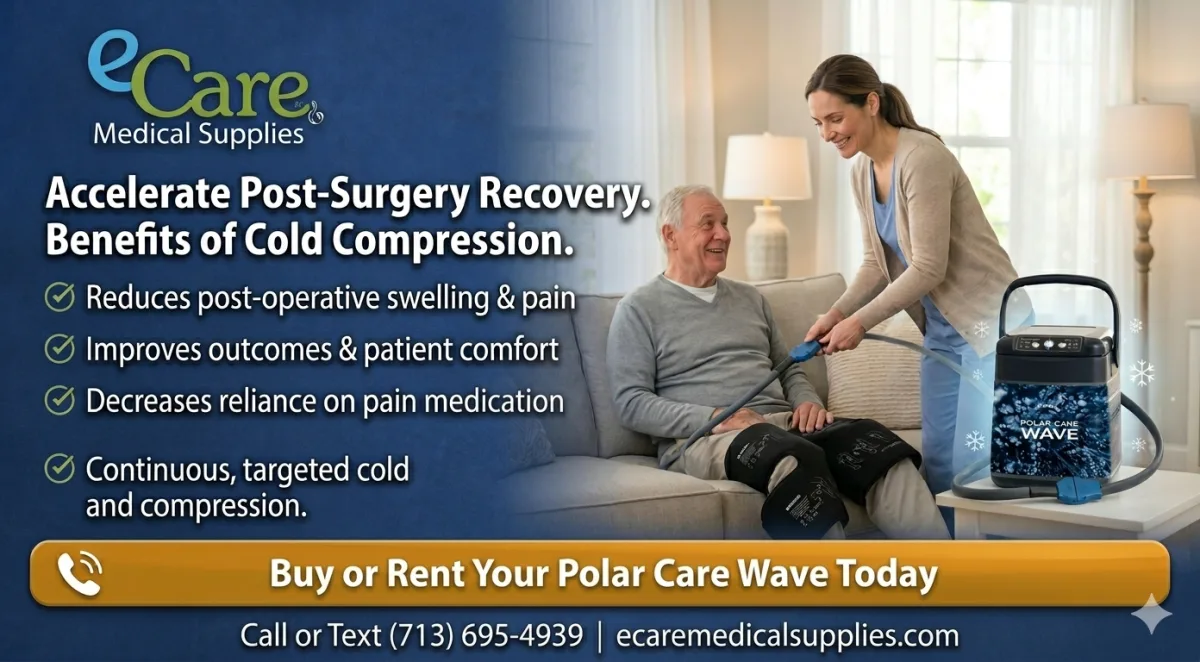
Post-surgery swelling and pain can make your recovery feel overwhelming, especially during those first critical days at home. While some discomfort is normal after any surgical procedure, managing swelling effectively can significantly speed your healing process and reduce pain naturally. Cold compression therapy has emerged as one of the most effective non-pharmaceutical approaches to controlling post-operative inflammation.
Understanding Post-Surgical Swelling
Swelling after surgery is your body's natural inflammatory response to tissue trauma. When tissues are cut or manipulated during surgery, your immune system sends extra fluid and white blood cells to the area to begin healing. While this process is essential for recovery, excessive swelling can actually slow healing, increase pain, and limit your mobility.
The key is managing this inflammation during the first 48-72 hours after surgery, when swelling typically peaks. Orthopedic surgeries—including knee, shoulder, ankle, and hip procedures—often produce significant swelling that benefits greatly from targeted cold therapy.
How Cold Compression Therapy Works
Cold compression therapy combines two proven therapeutic approaches: cryotherapy (cold treatment) and pneumatic compression. The cold temperature constricts blood vessels, reducing fluid accumulation and numbing pain receptors. Simultaneously, intermittent compression helps pump excess fluid away from the surgical site through your lymphatic system.
Professional-grade cold compression units, like the Polar Care Wave system, maintain consistent therapeutic temperatures between 40-50°F while delivering controlled compression cycles. This combination is far more effective than traditional ice packs, which warm up quickly and can't provide consistent therapeutic benefit.
Benefits of Professional Cold Compression Units
Advanced cold compression therapy offers several advantages over home remedies:
- Consistent Temperature: Unlike ice packs that lose effectiveness as they warm, these units maintain optimal therapeutic temperature for hours
- Controlled Compression: Pneumatic compression cycles prevent tissue damage while maximizing fluid drainage
- Hands-Free Operation: Once applied, you can rest comfortably while the unit works automatically
- Targeted Treatment: Specialized pads designed for specific body parts ensure optimal coverage
- Reduced Medication Dependence: Effective pain and swelling control may allow you to use fewer pain medications
When to Use Cold Compression Therapy
Most orthopedic surgeons recommend beginning cold compression therapy immediately after surgery and continuing for the first 1-2 weeks of recovery. However, always follow your surgeon's specific post-operative instructions, as some procedures may have different protocols.
Typical treatment schedules involve 20-30 minute sessions every 2-3 hours during waking hours. Many patients find the therapy so comfortable they use it while sleeping, though you should confirm this approach with your healthcare provider first.
Remember, this information is educational and should complement—not replace—your surgeon's post-operative care plan. Always consult your healthcare provider about the best recovery approach for your specific situation.
Practical Recovery Tips
To maximize the benefits of cold compression therapy during your Houston-area recovery:
- Start Early: Begin treatment as soon as possible after surgery, ideally within the first 24 hours
- Stay Consistent: Regular treatment sessions are more effective than sporadic use
- Combine with Elevation: Keep the treated area elevated above heart level when possible
- Monitor Your Skin: Check regularly for any signs of skin irritation or numbness
- Follow Instructions: Use the unit exactly as directed by the manufacturer and your healthcare provider
- Track Your Progress: Note improvements in swelling and pain to share with your surgical team
- Plan for Equipment Needs: Arrange for your cold compression unit before surgery so it's ready when you arrive home
Key Takeaways
- Cold compression therapy effectively reduces post-surgical swelling and pain through controlled temperature and pneumatic compression
- Professional units like the Polar Care Wave provide superior results compared to traditional ice packs
- Early, consistent treatment during the first 48-72 hours after surgery yields the best outcomes
- This therapy can reduce dependence on pain medications while accelerating recovery
- Always follow your surgeon's specific post-operative instructions and use cold compression as part of a comprehensive recovery plan
Frequently Asked Questions
How long should I use cold compression therapy after surgery?
Most patients benefit from 1-2 weeks of regular treatment, but follow your surgeon's specific recommendations. Some may suggest longer use for complex procedures or if swelling persists.
Can I rent a cold compression unit instead of buying one?
Yes, many medical supply stores offer flexible rental options for cold compression units, allowing you to use professional-grade equipment for just the duration of your recovery period.
Is cold compression therapy safe to use while sleeping?
While many units are designed for extended use, always confirm with your healthcare provider whether overnight treatment is appropriate for your specific procedure and recovery needs.
What's the difference between a cold compression unit and regular ice packs?
Professional units maintain consistent therapeutic temperatures and provide controlled compression cycles, while ice packs warm up quickly and can't deliver targeted compression therapy.
Do I need a prescription for a cold compression therapy unit?
Most cold compression units, including the Polar Care Wave, don't require a prescription and can be purchased or rented directly from medical equipment suppliers.
How E Care Medical Supplies Can Help
We carry professional-grade cold compression therapy units with flexible rental and purchase options, plus same-day delivery across Houston to ensure you have the recovery equipment you need when you need it most.
Shop Medical SuppliesRated 4.8 stars on Google · Houston, TX · No prescription required · Same-day & after-hours delivery · Hablamos español · (713) 695-4939
This article is for informational and educational purposes only and does not constitute medical advice. Always consult a qualified healthcare provider for personal medical decisions.
Tags: knee-surgery,shoulder surgery,hip surgery, therapy rental,post-surgery recovery,cold therapy,swelling relief,pain management,compression therapy
← Back to Blogs